A principal’s first month: students and staff weigh Gomes’s policy enforcement, note positive culture shift
-
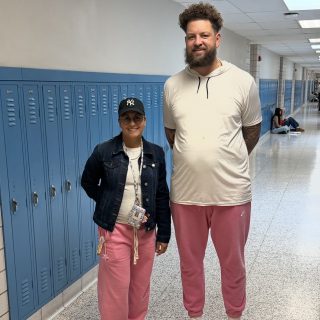
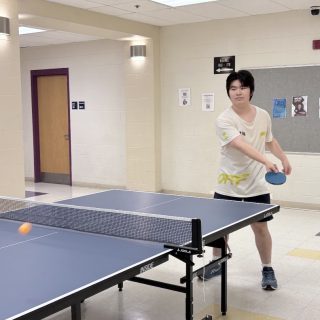
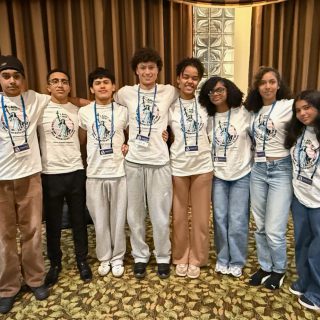
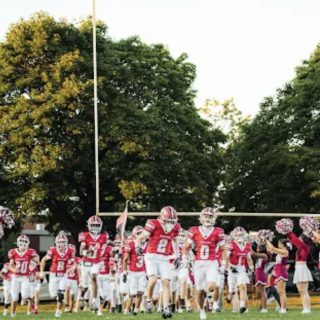
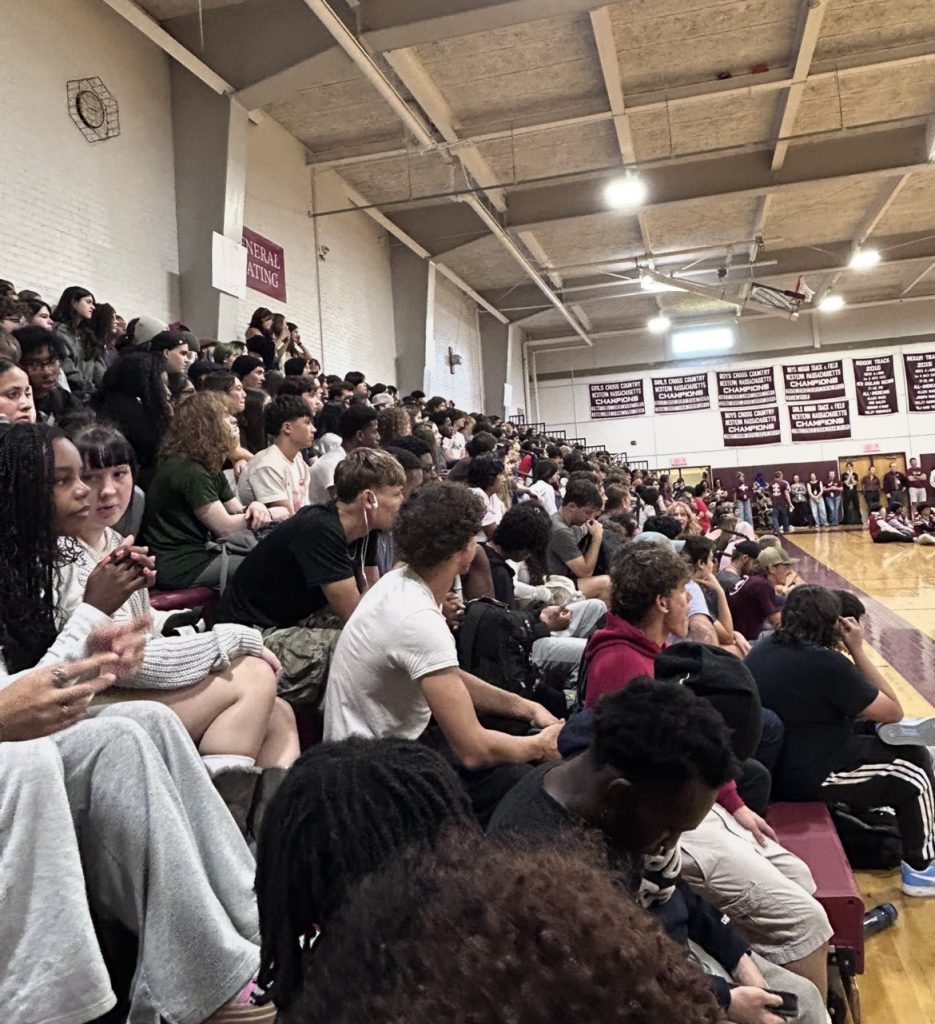 Scenes from the September pep rally at ARHS, organized by Dr. Gomes, who is interested in enforcing rules while also celebrating students' talents. (photos by Graphic staff)
 -
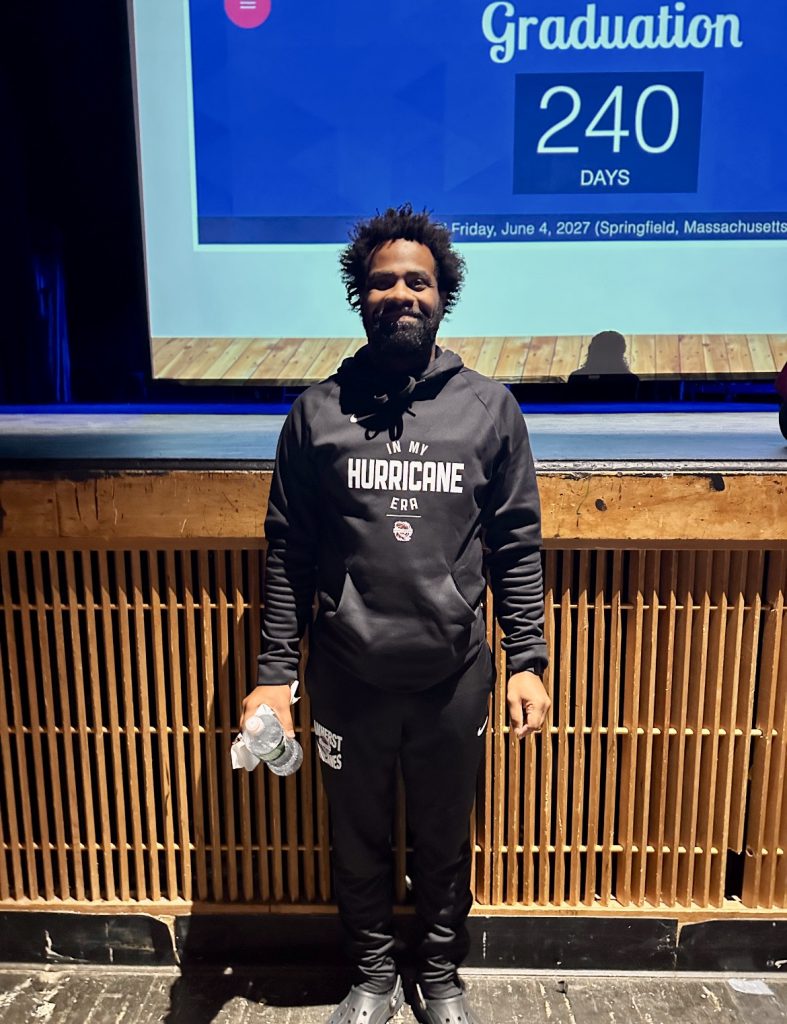 Dr. Gomes at the Senior Town Hall in the auditorium on October 7. (photo by Keira Cunniffe)
 -
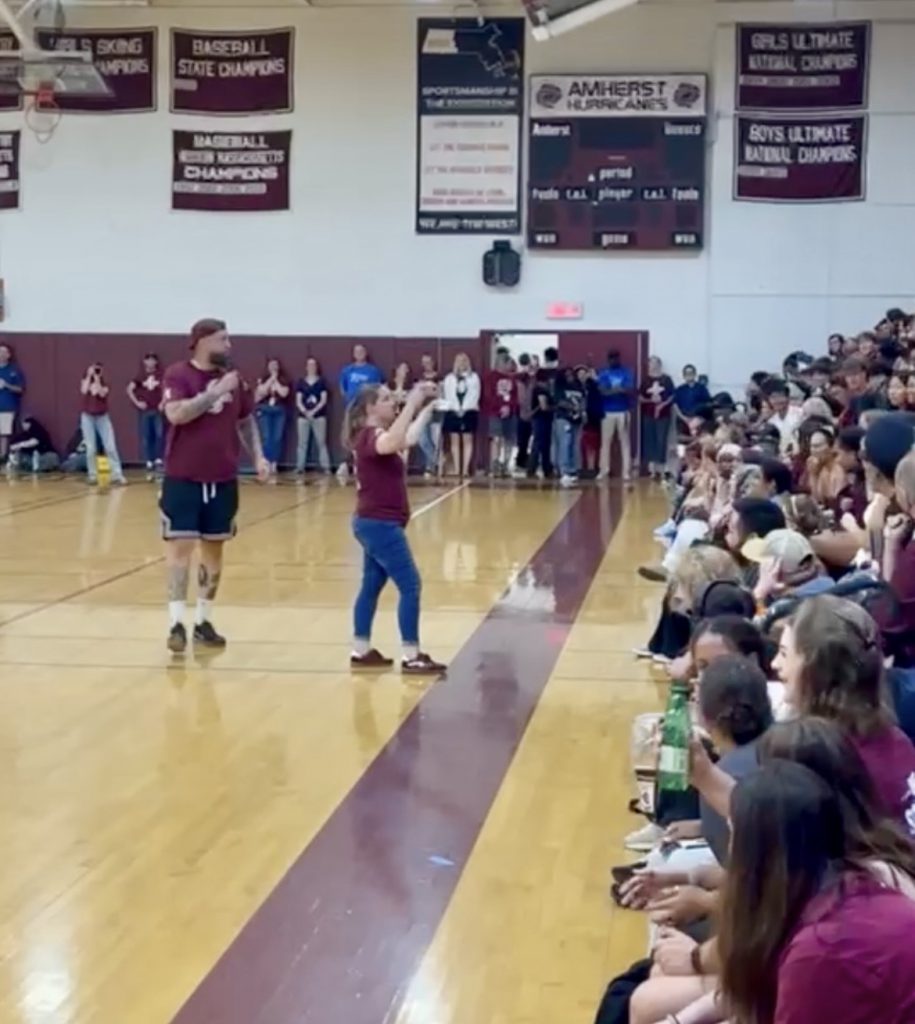 Scenes from the September pep rally at ARHS, organized by Dr. Gomes, who is interested in enforcing rules while also celebrating students' talents. (photos by Graphic staff)
 -
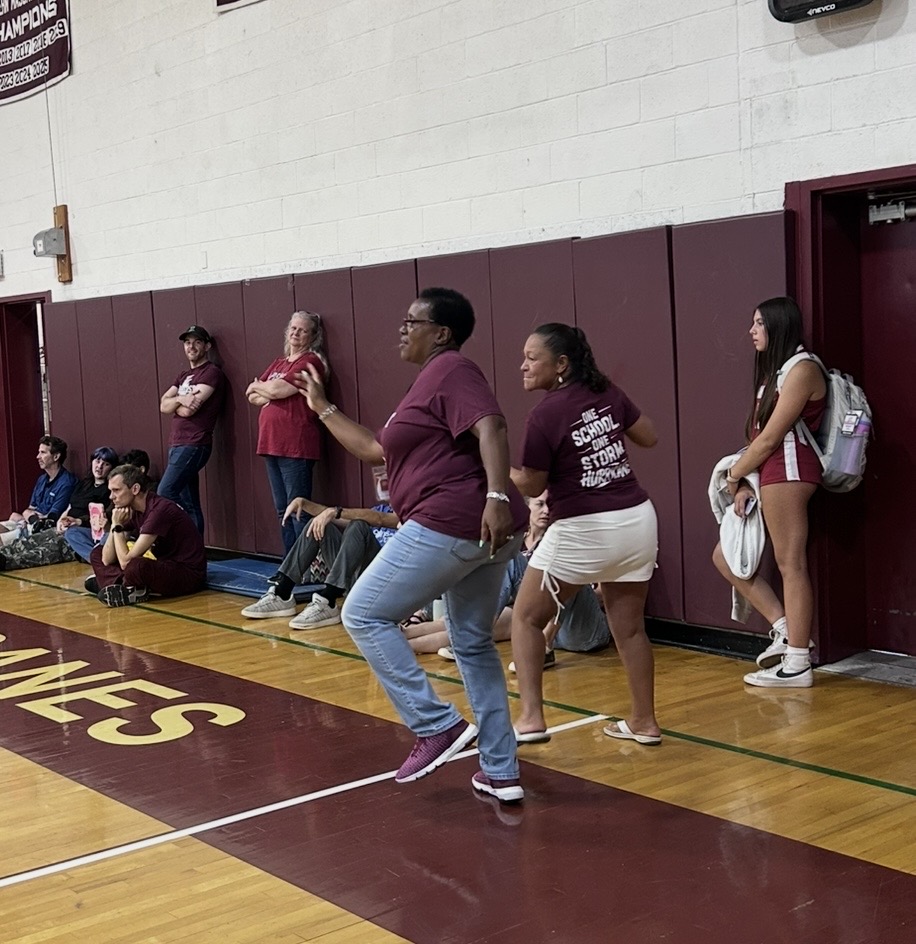 Scenes from the September pep rally at ARHS, organized by Dr. Gomes, who is interested in enforcing rules while also celebrating students' talents. (photos by Graphic staff)
 -
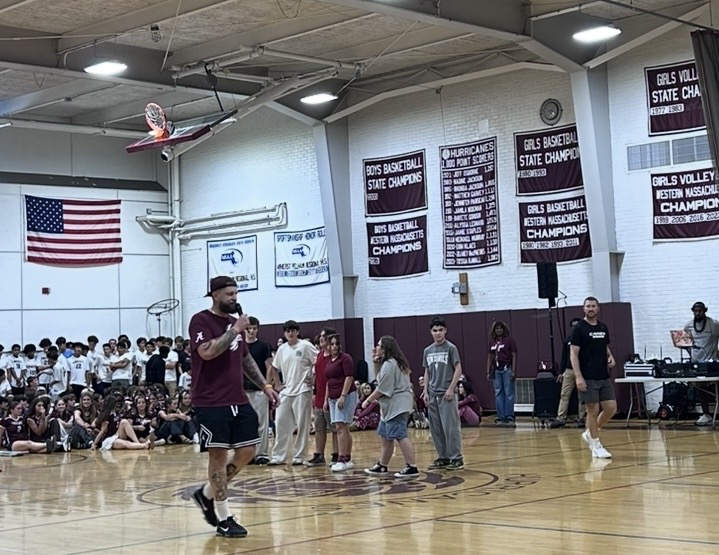 Scenes from the September pep rally at ARHS, organized by Dr. Gomes, who is interested in enforcing rules while also celebrating students' talents. (photos by Graphic staff)
 -
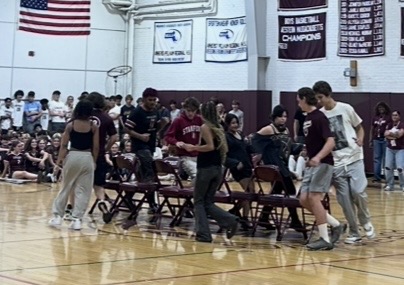 Scenes from the September pep rally at ARHS, organized by Dr. Gomes, who is interested in enforcing rules while also celebrating students' talents. (photos by Graphic staff)
 -
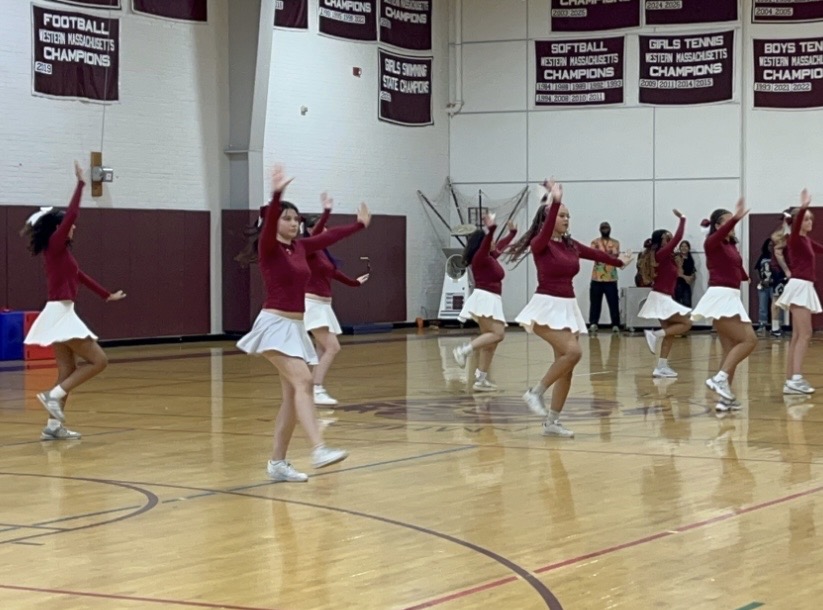 Scenes from the September pep rally at ARHS, organized by Dr. Gomes, who is interested in enforcing rules while also celebrating students' talents. (photos by Graphic staff)
In Dr. Marc Gomes’s first month as principal at ARHS, students have noticed a change in the enforcement of school policies–focused on reducing student phone usage, increasing attendance, and holding students more accountable overall, which students and staff alike agree is a higher standard than in previous years.
The policies are not new to the school system, but the execution of these school rules hasn’t been as structured in the past. Gomes said he is sticking to the school handbook with no leeway. “I want to be a rule follower,” he said.
Deans of Students Meka Magee and Ben Coblyn and hall monitors Seiha Krouch and Gretchen Santiago, along with Gomes, have been a visible presence in classrooms, hallways, bathrooms, and at lunch, making sure students get to class on time, stay in class, and stay off their phones. “One of my goals this year is to increase time-on learning for all students,” Magee said, and more access to “the best education in Amherst.”
Usage of phones during school hours has been a consistent problem at ARHS in the past. However, Gomes instituted phone sweeps, conducted on a regular basis, to make sure cell phones are stored in phone caddies. Dr. Gomes, the Deans, and hall monitors enter classrooms at random to conduct these sweeps, performing around ten to eleven of them a day.
They say this has had a positive impact and decreased phone usage. “Teachers are having fewer conflicts with students over phone use in class and in the hallways,” said Magee.
At ARHS, phone use is limited, not banned. Despite the strictness around the cell phone policy, Gomes thinks they can still be positive in class when used in an appropriate scenario that is teacher-directed. He also understands the important role phones hold as a communication device. “Students should be able to just grab their phone if there’s an emergency,” said Gomes.
After-school detention and Saturday school are issued to students who have unexcused time outside of class. After-school detentions consist of a meeting with the dean discussing what a student did wrong and how they can improve their behavior, while Saturday school is the alternative to suspension. It also allows students to “buy back” their attendance. The purpose of these days is “getting to the root cause of things,” said Gomes.
Students confronted after violating a school rule seem to acknowledge their actions. During mandatory meetings about student violations, “some are upset, and that’s understandable,” Magee said, but overall “the conversations have been productive.”
There is not one tried-and-true method to applying the policies throughout the school. Gomes makes himself available during the school day to create a common understanding that he is always approachable and wants students to speak on issues. He doesn’t consider himself to have a method when it comes to the reinforcement of policies unless you count the “being present method,” said Gomes.
Students responded to a survey from The Graphic about their reactions and opinions to the first month of the school year. In student replies, we saw the beginning of Gomes’s impact on ARHS.
With a stricter environment compared to previous years, some students said school feels more overwhelming. “[Policy enforcement] just feels a little more aggressive and stressful,” said one student, who wished to remain anonymous. Gomes said he would respond to students who feel like things are more stressful with the message that his overall goal is “to better support the student body.”
When students reflected on phone sweeps, many said they actually found the process beneficial to the classroom environment. “Overall, I think that more phones are put [away], which I think does minimize distraction,” said senior Ellis Rubin.
Although students are finding it easy to adjust to the change, they seem to have seen a positive impact with the new expectations. Classrooms seem to be more focused, with fewer students wandering during bathroom breaks, which contributes to how much work is able to be done in class. “I do think fewer people in my classes take long breaks,” said sophomore Julian Bajpai.
Teachers responded to a similar survey about their reactions after the first month teaching with a new principal.
A math teacher and one of the creators of the YES (Year End Showcase) assembly, Geoff Friedman, believed this first month is only the beginning of an improved school system. “Resources are being put toward these issues and there’s more administrative vigilance; so if that continues, we and the students will benefit,” said Friedman.
Will Roundy, Department Head of world languages, appreciated the action Gomes has taken to make sure students are getting the required amount of time in class. “Given the number of student absences we had last year, a response was needed,” said Roundy.
English and special education teacher Marita Banda is in favor of Gomes’ tactics and way of keeping students accountable. When asked about the phone sweeps, Banda said she approves of them. “I think as teachers we don’t need an extra thing to be on top of,” said Banda.
Social studies teacher and cross country coach Christopher Gould recognized Gomes and the rest of the administration’s efforts at creating a safe and orderly environment at ARHS. “After thirty years in the building, I call this the best hallway atmosphere of all,” said Gould.
Staff members said that for the first time in a long time, there is a school-wide understanding of how a person’s behavior at school impacts others and their performance in the classroom. “I think it’s good to have immediate consequences,” said Banda.