‘High regard for myself, high regard for my students’: Ms. Davis reflects on decades of service to ARHS
-
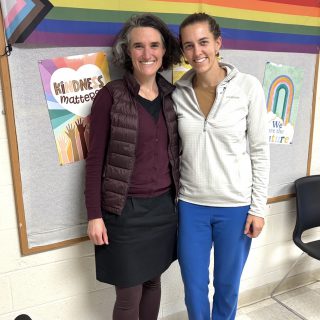
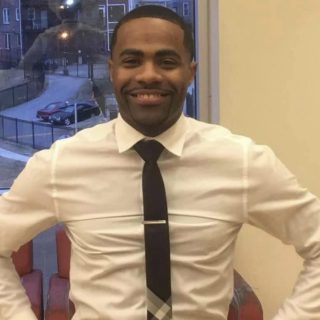
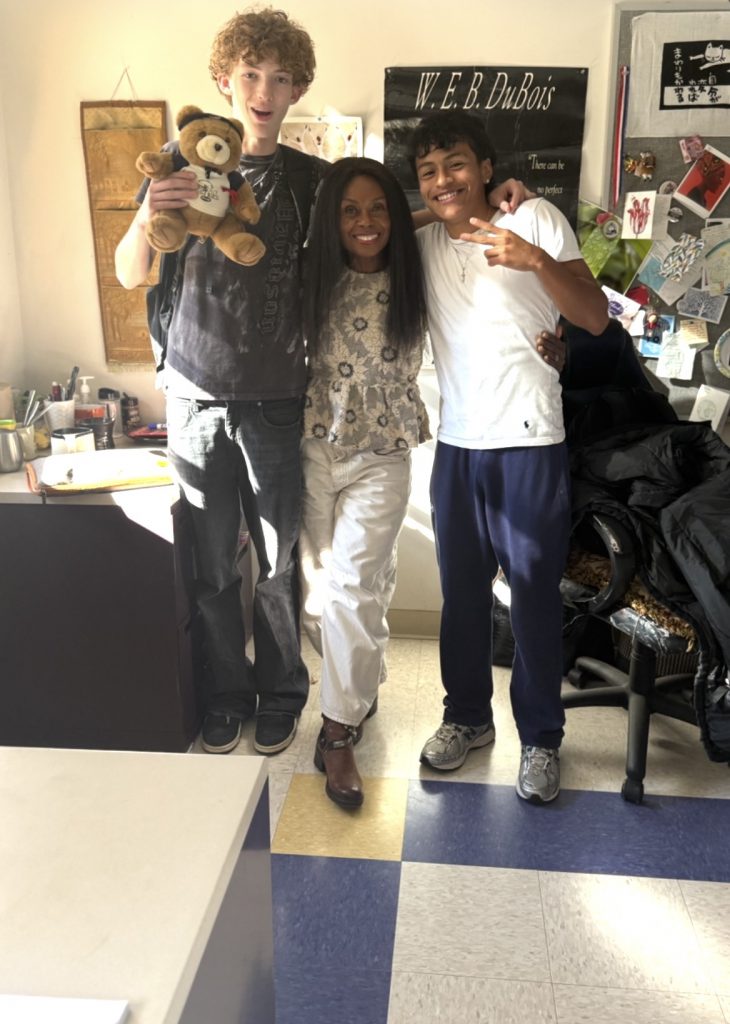 Gloria Davis, in her classroom with two graduating seniors.
 -
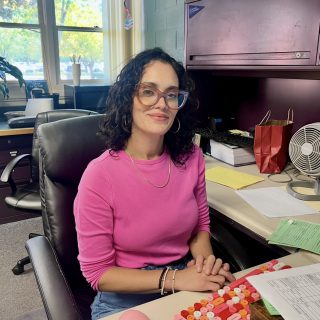
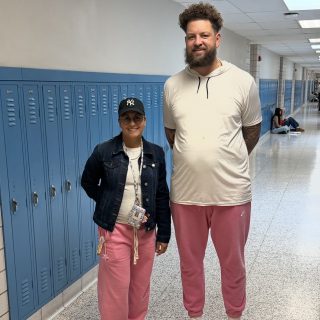
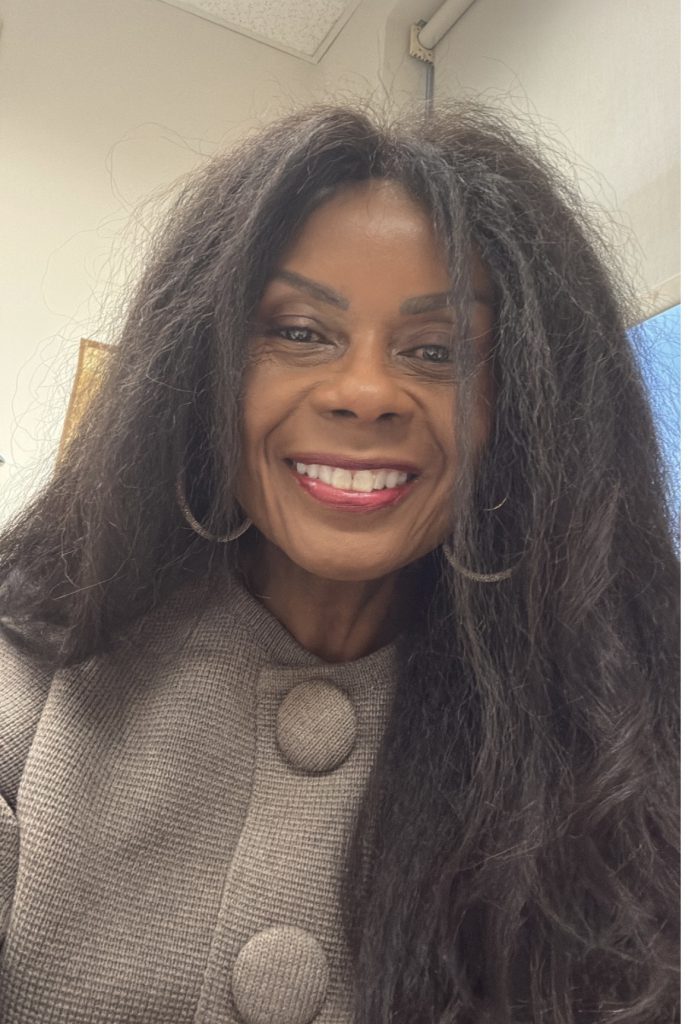 Retiring Social Studies teacher Gloria Davis in her classroom.
 -
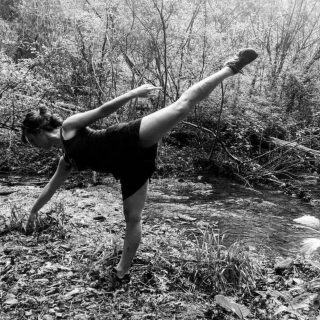
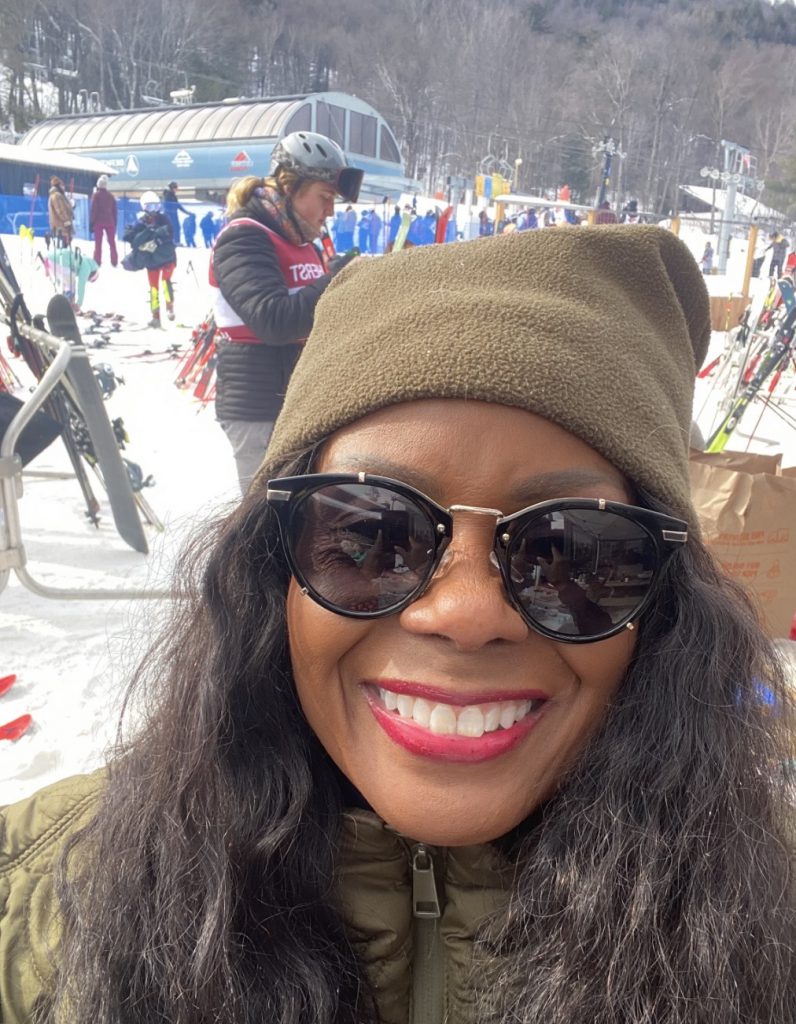 Retiring Social Studies teacher Gloria Davis on the slopes.
 -
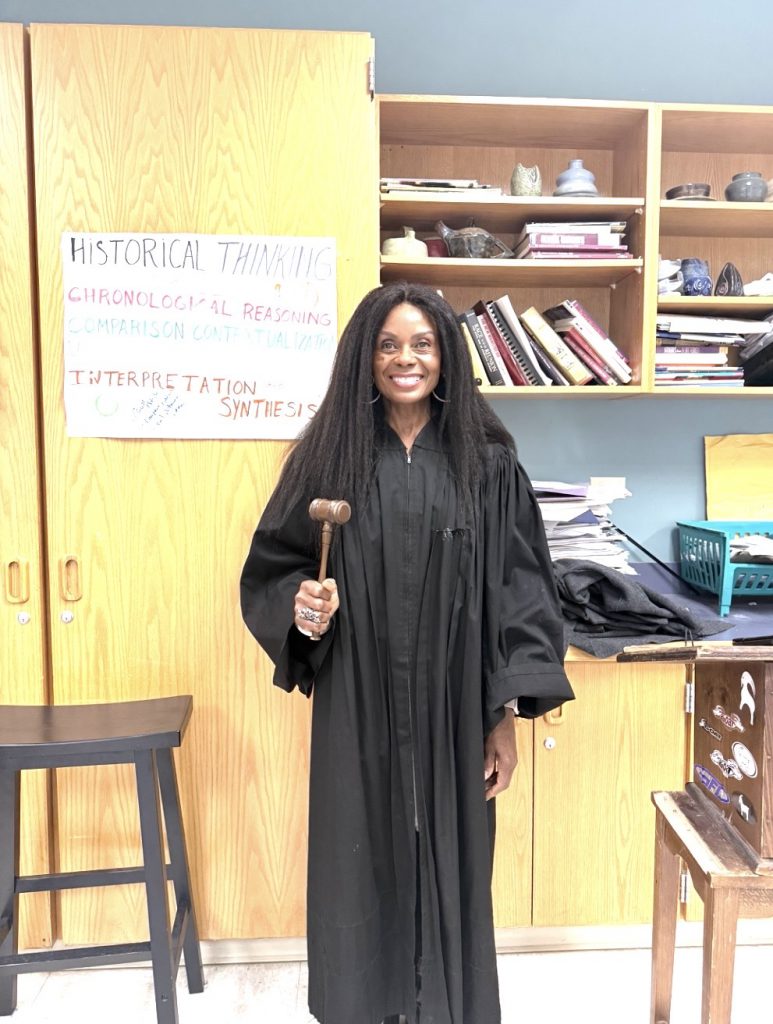 Retiring Social Studies teacher Gloria Davis in her classroom.
Social Studies teacher Gloria Davis is an ARHS legend, on the cusp of retiring after 29 years of teaching at ARHS. In addition to teaching U.S. History, Constitutional Law, Economics, Social Inequality and Injustice, and Current Global Issues, she has been a track and field, cross country, and Alpine skiing coach. She has also advised Model UN and participated in some of our school’s Multicultural Student Achievement Network conferences, along with Dean of Students Mary Custard. Her departure is a huge loss to ARHS, but she will leave a powerful legacy. I sat down with her to talk about her life in and outside of ARHS.
Cora: Where did you grow up?
Gloria Davis: I grew up in two places: Newark, New Jersey, and North Carolina. I spent summers with my grandmother, but, yeah, that was my background.
Cora: Wonderful. What was your education like?
Gloria Davis: It was something always [centered on] high achievement. That was the stipulation in my household, as far back as I can remember. The message coming from Black families was that, given the racism in the country, you had to have great grades. That was our primary focus, my sister and I.
Yes, it was. My father said my job was school, and we didn’t have part-time jobs after school.
Cora: How did you end up teaching in this part of Western Massachusetts and living where you live? What do you like about it?
Gloria Davis: My uncle was a professor at UMass, and he was in the Agriculture Department. I remember him just loving the Amherst area. When I was looking for a job, he said, “Oh, you’ve got to [come out here].”
I mailed my application in from the Outer Banks of North Carolina. I remember my family and I renting a house called New Beginnings. When I mailed it off, I said, “Here’s to new beginnings.”
Cora: That’s so sweet. What do you like about your job? Why did you become a teacher?
Gloria Davis: I love the idea of interacting with young people. I think that they are the spirit of the U.S., and I wish all adults had a high regard for their level of creativity and their free spirit, as opposed to being quite negative about teens. I don’t seem to have that perspective. I never did.
The idea of being in a classroom and educating students appealed to me. Especially being a Black person, a Black woman, I think it’s important for students to have the experience of having a Black instructor. White students, absolutely. It’s very much a comfort zone with my Black students, Latino students, and Asian American students. There’s a camaraderie there and a level of conversation that I just get with them culturally.
The idea that I can be supportive but still demand high-quality work is important to me.
Cora: How long have you taught at ARHS, and what classes have you taught?
Gloria Davis: I’ve been here—it’s hard to believe I have been here that long—29 years.
I’ve taught Constitutional Law, Economics, Social Inequality and Injustice, U.S. History, and Current Global Issues. Yes, I’ve taught a lot. They just threw me into the fire.
Cora: Why do you think the classes you’ve taught are important?
Gloria Davis: I think they’re important because it’s important to hear teachers give perspective on issues that students may not be familiar with, to introduce them to new topics, and expand their capacity to imagine a different setting with really great facts.
I also use a lot of conversation about upbringing and share stories in my classes so students can relate to the topics we’re covering.
Cora: What clubs or other activities have you been involved in, and why are they important to you?
Gloria Davis: Well, the clubs—track and field, Alpine coach, and cross-country and high school track and field. I’ve done Model UN as well.
Why are they important? You do it for the kids. You want to expose them to experiences, different ideas, different concepts, and relate to them outside of the classroom. I think that’s extremely important, that you can build those bonds.
It’s an interesting way of getting to know students who might tend to be shy, coming in on a personal level and supporting them in their expansion of knowledge and picking up new ideas. I think it’s extremely important for them.
Cora: Do you have favorite moments that you’ve experienced at ARHS?
Gloria Davis: Oh my God. I have many favorite moments. There are numerous ones.
From a teacher’s perspective, I think the moments of really good conversations with students stand out. Moments of convincing a student that they’re much more capable than what they’re actually producing, and staying on them about being better.
I think it’s important when I can say to a student, “You should be better. You can offer better.” We all have to, on occasion, be on a higher ground. Students know that not only do they have to do it, but I also have to do it. Setting those examples is important.
And just seeing the kids in the hallway. Seeing all the tall guys. I love the fact that I’m only 5’1″. High-fiving and joking around. Just the camaraderie in the hallway, laughing. Those fun times.
Cora: How has being a teacher shaped you as a person or changed your life?
Gloria Davis: It has shaped me in the regard of imagining a better world.
I think that’s my takeaway with education: we may not have hit the mark as adults, but we can encourage others to go out there and try to make their world better.
I was just giving my comments to my seniors, and I said, “Remember, this is your world. I just happen to live in it. So go out and make some changes.”
Cora: What is the biggest challenge you’ve faced during your decades as a teacher, and what has made you happiest?
Gloria Davis: The biggest challenge—there are numerous ones. I think the biggest challenge was ensuring that I excelled, stepped up to the plate, and represented Amherst High with high regard.
High regard for myself, high regard for my students and their intellectual capacities, and my intellectual capacities.
Overall, just learning new ideas, new perspectives, and appreciating the idea of learning.
We have a saying in our department. As we go to teach our class, we say, “Just learn them. Just go in and learn them.” Not teach them, but learn them.
I guess maybe that’s the happy part.
Cora: What are some things you try to impart to your students?
Gloria Davis: Always try to be your best. Don’t do slapdash work.
I’ll tell students, “No, listen. I’m going to ask for a little bit more,” I’m going to get them to stretch their thinking capacities. Moments like that are great.
Cora: Are there students you stay in touch with? How have you seen your impact on their lives?
Gloria Davis: Yes.
I’ve been invited to weddings. I’ve had someone send me an email and ask me to write a short excerpt for their wedding. I’ve had invitations to graduate parties.
I have great connections with students who are out of school. Some went to community colleges and ended up at WPI. Some ended up at Clark University, which is where I was in graduate school.
Those connections are great.
I had one student become a police officer. He actually ran into another teacher in Northampton and said, “You’ve got to get a picture from Ms. Davis.” So he got a picture in his uniform, leaning against his cruiser.
I’ve had students call me after they left high school to ask questions about criminal justice procedures.
One student called late at night and asked, “Can they arrest me if there’s an open container?”
I said, “Absolutely they can arrest you for that.”
I used to joke in class, “When you call me for advice…” So that was an interesting phone call.
I’ve also had great relationships with parents who ask what I suggest for their child.
I try not to be overly punitive. I’ll say perhaps they should encourage him, her, or them to do certain things.
Parents need guidance as well because we are their parents away from home, and I take that job very seriously.
The interaction with someone’s child is paramount to what we do here at Amherst High. The idea that I am learning their child and teaching their child—I take that very seriously.
A tremendous amount of respect comes with instruction in the classroom. It’s pretty close to my heart.
Cora: What will happen to some of your classes when you retire?
Gloria Davis: Well, Mr. Fricke is going to pick up my Constitutional Law. The middle school replacement is going to be picking up my U.S. History class.
Sadly, we’re going to have to drop the Social Inequalities course because we have fewer kids and we’ve got so many electives. A smart move is to make an adjustment there and move kids into something else, and also introduce new electives.
As I’ve taught the Inequalities course, I’ve come to a place this year that I think the Amherst students are quite savvy regarding justice, inequality, equity, and diversity. I think the course has sort of seen its heyday, or its highlight.
The idea that we now ponder what more we can offer students, now that they’ve met this level, sort of a crescendo. You can only have so many conversations about inequalities and justice. Also, given that other departments teach similar concepts, it makes it challenging for us all to get around.
Offering new cutting-edge classes for students is always great for the kids. Constantly reevaluating not only your teaching but the courses that we have here as well. It’s hard to let them go, but the justification makes sense. It has gotten to the point that we might need to see some shifting here.
Cora: Are there any ideas, teachings, or advice that you hope your students will keep after you retire?
Gloria Davis: Oh, my goodness. Have fun learning. Have fun. Keep learning. Keep expanding. Challenge teachers. Don’t always accept what we say. Challenge it. Expand on it.
I think that just makes for a better human being all around.
I think the joy I have in the classroom is absolutely essential. You have to be in that place as well. You want to enjoy your classroom. I can easily go off-topic and be like, “Well, my perspective is…” and have fun with them.
Laugh at their silliness and their growth and development. Comment on their attire. Comment on their growth spurts. Make connections with the kids and make them feel like they are very important to me.
You have to show students that they are meaningful to you, that their education is important, and that they, as human beings, are important. I think that resonates with kids.
Cora: And advice for teachers?
Gloria Davis: Absolutely. Stay committed. Always look for new strategies.
Don’t be afraid to change course in the middle of the race. Go with a class on occasion. Don’t be so overly rigid about the direction.
There has to be some sense of lessons, but I think it’s also important to freshen them up on occasion.
Cora: Do you plan on staying in the area?
Gloria Davis: Well, I will be going back to fitness, which is something I did for years upon arriving at Amherst High. I’ll be going back to the wellness business and not commuting.
Cora: What will you do with your time once you’re retired? It sounds like you’re going to expand your fitness work.
Gloria Davis: Yeah. I mean, who retires these days?
I’m just taking a different path on this occasion. It’s something that I absolutely love. Fitness has always been a passion of mine. I’ve always been into fitness.
I was a fitness instructor when I came here. I was a fitness director. I would teach a class out my way and then hightail it to Amherst. I’d arrive in my workout clothes, putting on deodorant as I got there, because I thought, “I can’t be the freshest person around right now.”
Looking at that, it’s another passion of mine. I can’t say I’d be doing watercolor painting. For me, it’s a little too sedentary. I need to move, and I need to interact with other people. That’s important to me, so I’ll stay with that.
Cora: What are you most excited and nervous about?
Gloria Davis: As I said to my colleagues at lunch today, I’m not nervous.
I’ve had numerous challenges in my life, and it’s just a matter of not getting really upset about this, not overthinking it, and just letting it flow and seeing where everything takes me.
No, I’m not nervous, because I’ve had change before, and this is nothing new. It’s not like I’m unfamiliar with the business.
If there’s anything I’d be nervous about, it would be leaving my colleagues and not being in front of the classroom, because I have a level of comfort there that I absolutely love. It’s my kryptonite.
Sitting in front of students, you just feel so empowered that you have this opportunity to teach these young people and give them new ideas and guidance. Become their friend, demand respect from them, and give respect as well.
Those are the kinds of things. I think I’ll miss those relationships. But then I’ll have people communicating and saying, “Hello. That was a great conversation this morning. It was really fun.”
Cora: And you’re most excited about going off on your own path and trying something new?
Gloria Davis: Yeah. Going back to something familiar.
There’s a newness to the fitness business because wellness is extremely lucrative today. All kinds of new ideas are taking shape.
I’ve been a fitness instructor forever, and now there’s this new push to seek wellness. That’s the conversation people are having. I’m like, “I never had to seek it. I was always doing it.”
Now you have people who really want expertise on that and guidance. I’ve come across folks I know in stores around town, and they ask, “When are you going to start teaching again?”
I tell them, “No. I am a teacher, but in a different space.”
I’ve got clients that I’ll be calling back. Personal training, doing my own training, that kind of thing.
Cora: Any other thoughts?
Gloria Davis: Go Canes. That’s it.
Amherst rocks. There’s no question about it. It has changed over the years, but the core sense of who we are as a community is still alive. Very much alive.