Some students at ARHS admit habitual marijuana use, despite new studies warning of psychosis and other mental health conditions caused by cannabis
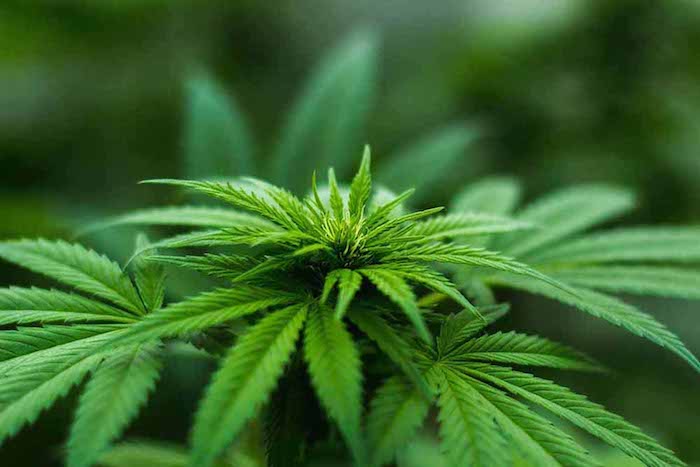
On February 21, 2026, National Public Radio ran a story analyzing a substance abuse study including nearly half a million teenagers in the Kaiser Permanente health system in Northern California, which found that “teens who reported using cannabis in the past year were at a higher risk of being diagnosed with several mental health conditions,” including bipolar disorder and schizophrenia. Those who used cannabis were at double the risk of developing these two conditions, compared to those who did not.
Pediatrician Lynn Silver, of the Public Health Institute in California, was an author of the study and told NPR that she and her co-authors found this study “extremely worrisome” and proof that cannabis is more dangerous than many adolescents think.
Additionally, a Mass General Brigham study found “nearly a fourfold increase in cannabis use among adolescents in Massachusetts presenting for psychiatric emergency services after commercialization.”
Commercialization refers to the moment that recreational marijuana was legalized for sale in Massachusetts in 2016, making it so that adults aged 21 and older could grow, possess, and use cannabis. In 2018, the first retail cannabis stores opened in Massachusetts.
In Massachusetts, there are 650 marijuana establishments operating across the state, with 152 in Hampshire, Hampden, Berkshire, and Franklin counties alone. We also live in the presence of five colleges, one of which is ranked the #1 party school in MA according to Niche, UMass.
2019 was actually the peak of teen cannabis use nationwide, with 35.7% of 12th graders reporting marijuana use in the past 12 months. However, there has been a recent decline in use (25.8% in 2024 from 29.0% in 2023). Since the pandemic, teens have spent less unsupervised time together in person, and digital entertainment occupies more leisure time for teenagers.
But for the quarter of high school seniors who continue to use cannabis, the dangers are real.
I myself have witnessed students who use it freely and openly at school, and I wanted to know why and how it affected them. After all, nationwide, self-reported surveys can only reveal so much about our school. I interviewed multiple students, all of whom smoked cannabis, but on different frequencies.
I spoke to one person who smokes two to three times a month, and none seemed too worried about the dangers for teens. “I don’t smoke by myself, and I only do it when I’m with friends,” he said. “I know what the risks are, but it’s not like I’m smoking every day. I’m still able to have fun without being high. I just figure that I only live once, so I might as well.”
He explained why he doesn’t smoke more. “I just make sure to do it in moderation,” he said. “I’m not going to spend that much money on weed. I also feel really weird and stop feeling like myself if I smoke too much.”
When asked if he thought marijuana was a problem at the high school, he said no, and yes. “I mean obviously, I think that people should be able to do whatever they want, especially as seniors or juniors,” he said. “But if you’re smoking like every day since your freshman or sophomore year, that’s probably a problem.”
“I wouldn’t say it’s a problem,” said another student. “It’s not extreme or anything. You just need to know the risks. It’s a personal decision.”
But others seemed to have started with a small amount that grew into a daily habit, albeit one that a student told me he only engages in outside of school. “I’m never fried in school, so I can focus and give all my effort. That’s bad looks,” he said, noting, “I smoke after school every day.”
I also asked another student what the effect of smoking consistently was. “I don’t really care as much about certain things, to be honest,” he explained. “It’s just calming.”
According to a website called Live Science, “within [just] 20 minutes of smoking marijuana, your circulatory system carries molecules of THC to every tissue in the body, including your brain.” The region of the brain that responds to THC controls memory, appetite, fear, and motor control.
Once THC binds to these receptors, the normal flow of signals between neurons changes. Neurons release or hold back chemicals your body uses to function, and you’re “high.”
The way students who smoke, vape, or take marijuana or “weed” edibles describe it, they feel calm; their muscles are relaxed; everything feels weirdly funny; they forget about the math test they took a few hours ago. Time goes a lot slower, and they say that they can take an hour or two and forget their problems.
But adolescent brain development continues through the adult years, ending around age 25. In the lead-up to that, the brain is focusing on fine-tuning neural pathways that contribute to brain maturity and developing regions of the brain responsible for assessing situations, making sound decisions, and controlling emotions.
According to a Harvard medical study, the younger you are when you first try marijuana, the greater your risk for adverse consequences and worse cognitive functioning. And in a study by Matthew D. Albaugh, PhD, an analysis of brain scans of 799 teens made five years apart revealed that cannabis use was associated with “accelerated thinning of the prefrontal cortex, a key aspect of brain development.”
This thinning was associated with more attentional impulsiveness as well.
Dr. Silver, from the nationwide study, told NPR that “with legalization, we’ve had a tremendous wave of misperception of cannabis as a safe, natural product to treat your stress with.” Psychiatrist Dr. Ryan Sultan at Columbia University also spoke to NPR and said that he sees “more teens using cannabis who’ve developed new or worsening mental health symptoms,” including anxiety and depression.
For more information about the California study, students can read “A huge study finds a link between cannabis use in teens and psychosis later,” or check out “Increased Use of Cannabis Seen Among Adolescents with Psychiatric Illnesses After Cannabis Sales Became Legal.”