Principal Sadiq bemoans student vaping use, talks about future
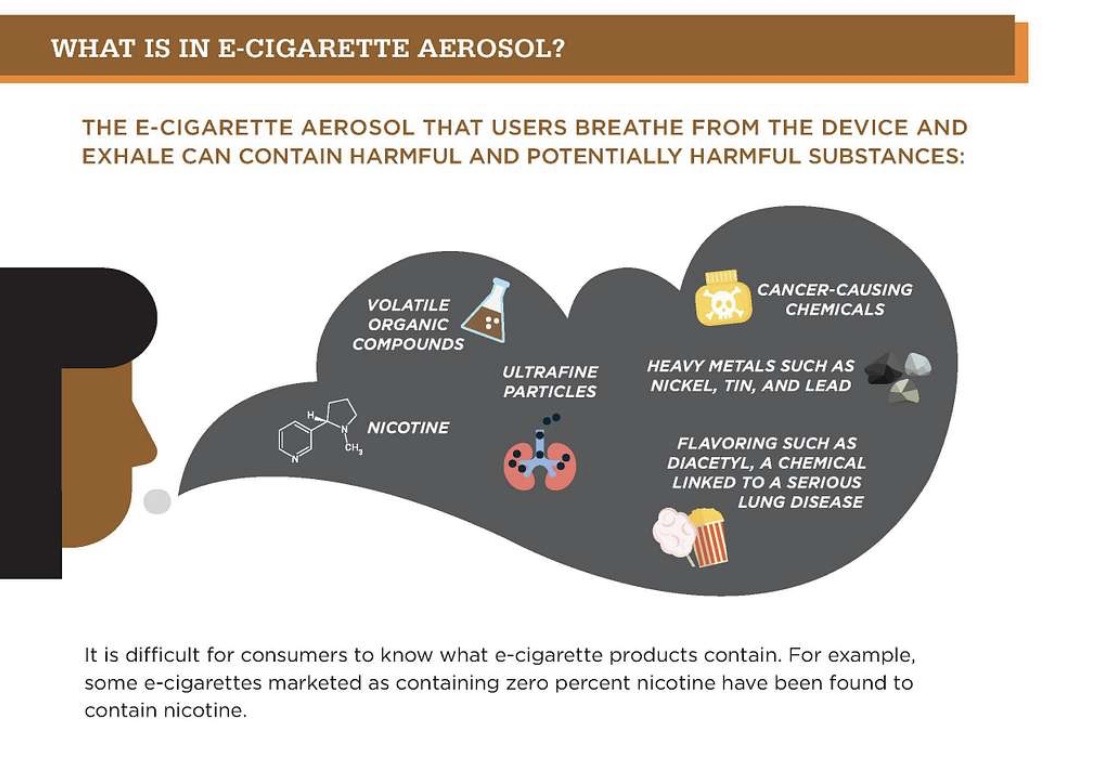
Ask any high school dean or principal what problem plagues them more than any other, and they’ll likely say vaping.
This seems to be true at ARHS, with the school administration consistently taking measures to limit nicotine use, or vaping, especially during school hours. This includes installing vape detectors, increasing the presence of adults in the hallways, hiring hall monitors, temporarily locking bathrooms where vaping has occurred, and suspending students who are caught vaping. However, much work still needs to be done.
I sat down with ARHS Principal Talib Sadiq to hear his thoughts about the pervasive problem.
“Vaping creates so many challenges for those students down the road,” Sadiq said. “The impact is very significant.” He emphasized that many students who are now sophomores and juniors consistently vaped in middle school, bringing their problem up to ARHS with them. He’s convinced vaping was as large a problem a few years ago as it is now.
The school, aiming to assess the scope of the problem, sent out an anonymous survey, distributed during advisory, asking all ARHS students about their nicotine use. The results revealed that 28.1% of 740 respondents said they currently vape, and 99.5% of those who vaped said they vaped every day. “It was a lot more people than I had thought,” Principal Sadiq explained.
The administration first wanted to ensure the validity of the survey. “All the ones that say they vape every day in school and don’t see it as an issue were entered one or two seconds apart,” Sadiq said. “It was hard for [Information Technology] to determine if the responses were coming from one computer or if it was legit.”
But Sadiq said even if the statistics overrepresented students’ actual use, he and other ARHS employees are concerned about how many students are vaping in the bathrooms or elsewhere on campus, and they have taken various measures to try to limit the behavior.
The school has linked with the organization Parents Against Vaping to send resources to parents and caregivers. “I’ve also had meetings with the town director of health and with folks from UMass to try and figure out a multipronged approach to educate students and come up with some resources to help the students who are addicted to nicotine,” Sadiq said.
The school offers sessions for students who get caught vaping with a guidance counselor, but Sadiq expressed doubt in the effectiveness of talking about the problem.
“It’s not enough,” Sadiq said. He expressed a desire for a kind of special group or committee to combat the problem. “It has to be a group effort,” he said.
“One thing we plan on doing in the next couple of months is getting a group of people together, including a number of students, along with some adults, to work on strategies to try to help and at least reduce the number of students vaping,” he said. “It’s going to have to be all hands on deck.”