‘Live,’ by Donny Hathaway, an epic album
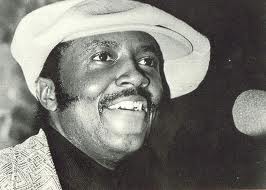
Sometimes the greatest albums are old ones produced well before we were even born, albums we listen to and fall in love with right away. “Live,” by the soul singer and songwriter Donny Hathaway, was just that for me. Released in 1972, this album features just eight songs of soulful originals and covers performed live by Donny Hathaway and his supporting band. Hathaway himself sings and plays electric piano; Willie Weeks is on bass; Phil Upchurch, Mike Howard, and Cornell Dupree are on guitar, Fred White is on drums, and Earl DeRouen is on Conga drums.
Starting the album off, listeners are immediately captured by Hathaway’s electric piano intro, a quickly recognizable cover of Marvin Gaye’s song “What’s Going On.” A theme found throughout the album is the band’s jam and solo sections, whether it’s Hathaway’s Wurlitzer, Phil Upchurch’s lead guitar, or Willie Weeks’s bass.
One of the most iconic moments on the album occurs on the second track, “The Ghetto,” written by Hathaway. At the start, Hathaway gets the crowd riled up as they clap to the beat of the song. As the song progresses, a breakdown occurs, where each band member gets a chance to solo.
It starts with Hathaway’s brilliant keys, soloing for over 5 minutes. After a round of applause, Hathaway introduces his Conga percussionist DeRouen, who then goes on to boost the rhythm of the track. Finally, as the band counts back together and the instruments resurface, Hathaway closes the track by getting the crowd to repeat the line “talking bout the ghetto,” and finishing with a complete stop with the last line “the ghetto.”
The other iconic moment is on Hathaway’s eighth and final track, “Everything is Everything,” where Hathaway breaks his song into four “movements.” His first movement starts with himself, soloing on the Wurlitzer electric piano, with his next two movements being a guitar solo each from guitarists Howard and Dupree. But to top it all off, the song’s fourth and final movement is performed by bassist Weeks. The solo goes on for 4 minutes, with brilliant licks, and energy so powerful that it builds up until the very end.
“Live,” by Donny Hathaway, encapsulates the broad sound of early 1970s soul. The album features deep, warm tones from the bass, raw and growling harmonics from the Wurlitzer electric piano, tight, in-the-pocket rhythms, and Hathaway’s smooth, emotional, and storytelling vocals.