Women’s Rights Club plans trip to Salem, home of the infamous Witch Trials
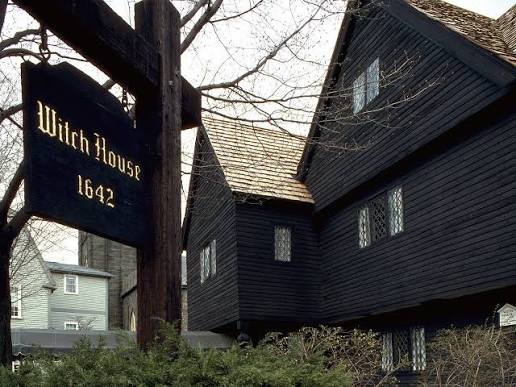
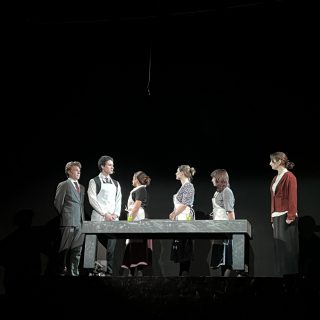
The ARHS Women’s Rights Club is planning a field trip to Salem, Massachusetts this year, to learn more about women’s history. Salem is not just a charming city on the northern coast of Massachusetts; it’s famous for the 1692-1693 witch trials featured in Arthur Miller’s 1953 fictionalized play “The Crucible.” More than 200 people were accused of witchcraft in the trials; 30 were found guilty, and 19 were executed by hanging, 14 of them women.
Today, Salem draws an interesting mix of visiting historians, feminists, and people interested in witches, witchcraft, and Halloween. Scenes from the film “Hocus Pocus” were shot there.
Women’s Rights Club advisor Danielle Seltzer brainstormed with club members in hopes of finding women’s rights and gender issues to discuss outside the classroom.“Several students recalled reading and enjoying ‘The Crucible’ in middle school, and the idea for Salem came from that,” said Seltzer. After contacting the Salem Witch Museum, Seltzer learned the museum hosts tours for students “from a gender issues and feminism perspective.”
Seltzer believes the Salem trip will be beneficial to students. “I hope it will deepen our collective engagement in understanding the role that sexism has played in Massachusetts history,” she said.
The club members are eager for their trip to be approved. “We would be very excited to learn about the theories historians have about why this actually happened and discuss modern-day reflections of this event,” said ARHS senior and Women’s Rights Club vice president Hazel Neuburger.
The history of the Salem Witch Trials and the story of The Crucible highlight women and how they were used as scapegoats when it came to witchcraft accusations, a theme the club believes will be beneficial to their education and true to the club’s vision. “The scapegoating of women is a classically misogynistic move. While no one is regularly accusing women of being a witch these days, we see this casual hatred of women in our everyday society all the time,” said Neuburger.
The trip is planned to be a full day, starting at the Salem Witch Museum, followed by lunch. “I would hope we could also visit the Peabody Essex Museum, where they have a large collection of primary sources from the Witch Trials,” said Seltzer.
The club hopes to dive deeper into a historical understanding of how the witch trials contribute to women’s rights.
“Accusations of witchcraft have historically been lobbed against people who go against gender norms, or who are protective of those who don’t fit neatly into the gender binary,” said Seltzer. She believes the trip will not only be a fun day, but also eye-opening for the club members.
“Understanding this historical moment will help students make connections to many of the same contemporary issues, while also expanding their knowledge of Massachusetts history,” she said.
Women’s Rights Club is currently in the process of planning their annual Consent Week, “a weeklong event focused on healthy relationships and consent,” said Seltzer. The club is also looking to invite local educators to come speak during club meetings.
The club accomplishes goals by balancing work with rewards, Seltzer said, “making sure we mix in fun and community building alongside projects.”
The Women’s Rights Club meets on the first three Thursdays of the month in Seltzer’s room, 163. The mission of the club is “learning about issues related to gender equity, feminism, and celebrating women’s history,” she said. “Anyone can still join the club!”