School elevator still desperately in need of repairs
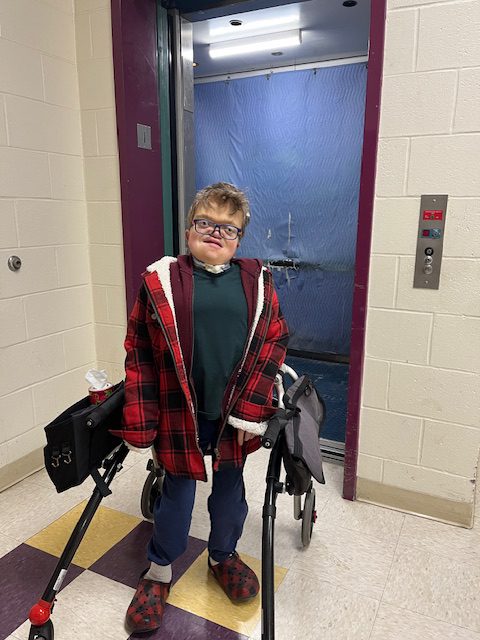
The ARHS elevator, which is 28 years old, has required major repairs for nearly a decade. This is typical, given that elevators have a life expectancy of 20 years, before one must consider “modernization or replacement,” according to Liberty Elevator Corporation, adding, “after 20 years in operation, your elevator may no longer be cost-effective to maintain.”
In fact, in keeping with these estimates, school Facilities employees have logged multiple calls to elevator repair technicians in the past, and this year, more than any other.
Principal Talib Sadiq said there have not yet been repairs to the elevator that have brought it back to full functionality. However, a repair to the elevator’s hydraulic and locomotive control parts system is listed in the Capital Funds Project. This repair would result in an entirely functional elevator without requiring a complete replacement.
“Part of it was putting [the project] out to bid,” said ARHS principal Talib Sadiq, which helps the district fairly choose the best and most cost-effective person or company for the job.
Though an announcement was made over the loudspeaker in October stating that the elevator was tentatively up and running again after minor repairs, students who regularly use it lacked confidence in its usability. “I would say the condition never changed,” said ARHS student Josie Duncan, who used crutches due to a temporary disability and required the elevator to reach one of her classes.
Accessing the first and second floors hasn’t been as pressing an issue for students with disabilities, thanks to accessible ramps, though traveling via ramp takes longer than an elevator would. However, getting to the third floor requires the use of the elevator.
Disabled students reported booming and shaking while riding the elevator, causing “people in the elevator to feel like they could fall,” said freshman Oliver Odwazny-Beebe, who uses a walker and relies on the elevator to get to upper floors.
The entire third floor has been completely inaccessible to those who rely on the elevator, with several classes from that wing being moved down to the library.
“It is not fair [to have no elevator] for students who need [the elevator to get to] different levels of the school. And unless accommodations are getting made, they are not getting the same opportunities as other students who can actually access the whole building,” said Duncan.
Paraeducator Florence Bakuli also said she stopped riding the elevator in the last month due to the booming sounds and shaking. She could no longer work with the students she had been assigned to support during C and D periods on the third floor; Bakuli had to be reassigned to new classes, and another paraeducator was assigned to those students.
According to Sadiq, making decisions to improve the building and address inaccessibility at ARHS “are ongoing.”
“We are taking the problem very seriously, and we are working on it,” said Sadiq. “A few people know we’ve been working on it, but it’s not been advertised. As soon as [the elevator repairs are finalized], I will let everybody in the school know.”